
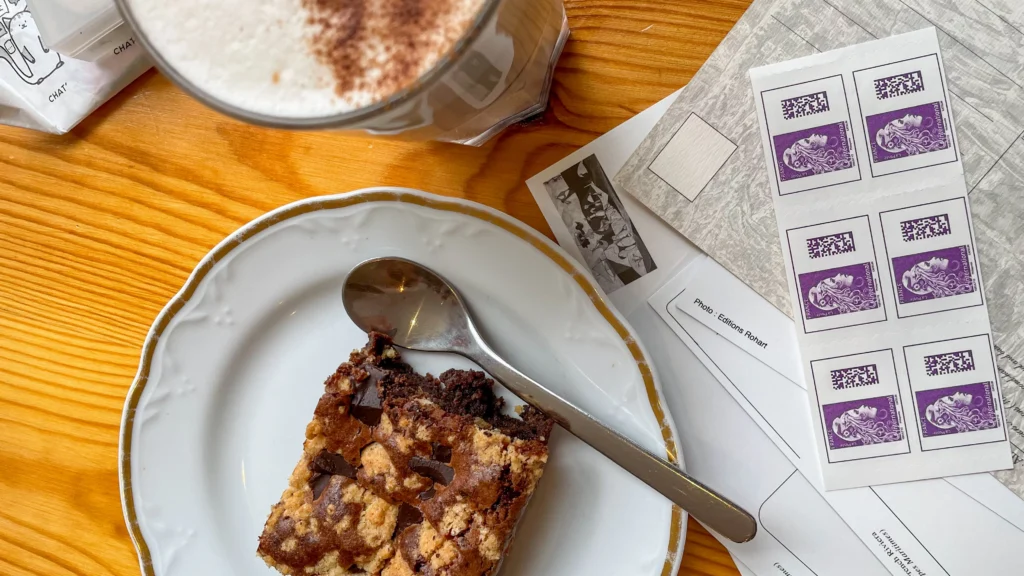
In a world dominated by instant messages, there’s something quietly powerful about sending mail. Whether it’s handwritten, typed, decorated, simple, or formal, mail creates a pause, a moment where someone knows you took time to reach them. And the beautiful thing is: there are so many different ways and people you can write to.
Writing letters isn’t limited to traditional pen pals. It can be creative, seasonal, purposeful, or deeply personal. Here are just some of the many ways mail can connect us.
Writing to Strangers
Mail Missions and Postcrossing are wonderful examples of how sending mail can build unexpected connections.
Mail Missions often involve sending letters or cards to people who could use encouragement, such as seniors, hospital patients, or individuals going through a difficult time. You may never meet the recipient, but your words can become a bright spot in their day.
Postcrossing connects people worldwide through postcards. You send a card to a randomly assigned address, and in return, someone else sends one to you. It’s a simple exchange that turns mail into a global experience—different handwriting, stamps, cultures, and perspectives arriving right in your mailbox.
These kinds of exchanges remind us that writing doesn’t require a long-term relationship to be meaningful.
Writing for Special Days and Occasions
Some mail is tied to a moment on the calendar, and those moments matter.
Valentine’s Day, for example, isn’t just about romance. It’s an opportunity to send love in many forms: notes to friends, cards to family members, or even anonymous kindness through organised card drives. A short message can say, I’m thinking of you in a way that feels more lasting than a text.
Thank a Mail Carrier Day is another often-overlooked opportunity to send mail, ironically, to the very people who make it possible. Leaving a thank-you card or note for your mail carrier recognises the human effort behind every delivered letter and package. These aren’t pen pal relationships, but they are genuine connections formed through the mail.
Take a look at more Reasons to Write on our Resources page!
Writing to Ageing Family Members
One of the most meaningful uses of mail is writing to ageing family members—grandparents, elderly parents, aunts, uncles, or older relatives who may not rely on digital communication as much. A letter can:
- Be read and reread
- Be held, saved, and treasured
- Provide a sense of presence and continuity
Even if you don’t know what to say, everyday details matter. Talk about your week, ask questions, share memories. Typed letters are just as valid as handwritten ones; what matters is that something arrives addressed specifically to them.
For many older adults, receiving mail is not just communication; it’s a connection.
Writing to People Who Represent You
Another powerful way to use mail is by writing to legislative or parliamentary representatives. Letters can express concerns, gratitude, or personal experiences that relate to community life. Sending a physical letter, typed or handwritten, adds weight and intention that digital messages sometimes lack.
This kind of writing is about participation and voice. It’s about recognising that communication doesn’t only flow between friends and family, but also between individuals and the systems that shape daily life.
Mail becomes a way to say: I exist, I care, and I took the time to write.
Writing Without Rules
One of the most freeing truths about mail is this: there is no single “right” way to send it. You can:
- Handwrite or type
- Send postcards, letters, notes, or cards
- Decorate heavily or keep it plain
- Write long reflections or just a few sentences
Mail is not about perfection. It’s about intention.
Some letters will be sentimental. Others will be practical. Some will go to people you know deeply, others to people you’ll never meet. All of them carry something rare in modern life: time, effort, and care.
Why Sending Mail Still Matters
Sending mail slows us down. It asks us to choose words, addresses, and stamps. It creates anticipation on both ends, the sender and the receiver. And it reminds us that communication can be tangible.
Whether you’re participating in a Mail Mission, exchanging postcards through Postcrossing, sending Valentine’s cards, thanking your postal worker, writing to ageing relatives, or reaching out to representatives, you’re doing the same essential thing:
You’re connecting, one piece of mail at a time.
And that connection still matters.
Beautifully said. Often when I’m talking to someone who wants to start writing they are so nervous about doing it right. I always try to make believe that the biggest thrill of receiving a piece of mail is finding it in your mailbox!! The rest is gravy. I love my simply addressed white envelopes, my quick postcards and my wildly creative mailart equally because each represents someone sitting down and doing something just for me. What could be more special?